



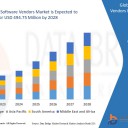
The Independent Software Vendors (ISV) market has emerged as one of the most dynamic and influential segments within the broader global technology ecosystem. Fueled by rapid digital transformation, increased demand for industry-specific solutions, and advancements in cloud computing, artificial intelligence (AI), and mobile technologies, ISVs are playing a central role in shaping how businesses operate, compete, and innovate. This article explores the ISV market by examining its definition, key drivers, advantages, challenges, emerging trends, and future outlook.
What Are Independent Software Vendors?
Independent Software Vendors (ISVs) are organizations that design, develop, and market software solutions that run on one or more computer hardware or operating system platforms. Unlike in-house development teams that build software specifically for internal use, ISVs create commercial software products that can be licensed and sold to a wide range of customers across industries.
ISVs can develop products ranging from niche applications tailored to specific verticals (like healthcare or logistics) to broad-use platforms such as customer relationship management (CRM), enterprise resource planning (ERP), cybersecurity tools, and mobile apps.
The Growth of the ISV Market
The ISV market has seen significant expansion over the past decade. A combination of technological advancements, evolving business needs, and changing customer expectations has accelerated demand for specialized software.
Key contributors to this growth include:
1. Digital Transformation Initiatives
Organizations across industries are embracing digital transformation to improve operational efficiency, customer experience, and competitive differentiation. ISVs serve as critical enablers by offering software that supports automation, data analytics, workflow optimization, and digital customer engagement.
2. Cloud Migration
Cloud computing has revolutionized software delivery and consumption. ISVs increasingly offer Software as a Service (SaaS) solutions, allowing businesses to access high-performance software via subscription models, reduce upfront investments, and scale with demand. Cloud platforms also accelerate deployment, updates, and integration with existing systems.
3. Industry-Specific Demand
Many industries—such as healthcare, finance, manufacturing, and retail—require specialized solutions that address unique regulatory, operational, and customer challenges. ISVs fill this gap by creating vertical-focused applications that larger enterprise software vendors may overlook.
4. Lower Barriers to Entry
Improved development tools, open-source frameworks, and accessible cloud infrastructure have lowered barriers to software creation. Smaller ISVs can now compete with established players by rapidly building and deploying innovative solutions with lean teams and minimal capital.
Why Businesses Choose ISV Solutions
Organizations opt for ISV-provided software for several key reasons:
1. Customization and Flexibility
ISVs often specialize in niche markets, offering tailored solutions that address specific business needs rather than one-size-fits-all packages. This results in greater flexibility and relevance for the end-user.
2. Faster Time to Value
Pre-built software products allow businesses to adopt solutions quickly without the time and complexity involved in building systems from scratch. This speed can be a competitive advantage in rapidly changing markets.
3. Cost Efficiency
Leveraging ISV products can reduce development costs, minimize maintenance overhead, and deliver predictable pricing structures—especially with subscription-based SaaS models.
4. Innovation and Expertise
ISVs invest continuously in innovation, often bringing cutting-edge features such as AI-driven analytics, automation workflows, and industry compliance tools. Their deep domain expertise helps customers stay ahead of technological trends.
Challenges Facing the ISV Market
Despite strong growth, the ISV landscape also faces challenges:
1. Market Saturation and Competition
As the number of software vendors grows, competition increases, making it harder for individual ISVs to stand out. Differentiation through unique value propositions and superior customer experiences becomes essential.
2. Integration Complexities
Many organizations already operate with legacy systems and multiple software tools. Ensuring seamless integration between existing infrastructure and new ISV solutions can be technically challenging and costly.
3. Security and Compliance
With rising concerns about data privacy and cybersecurity, ISVs must build robust security mechanisms into their products to protect sensitive information. Additionally, compliance with international regulations like GDPR or industry-specific rules adds development and operational burden.
4. Scalability and Performance
As customer demand grows, ISVs must ensure their applications can scale effectively without sacrificing performance. This often requires ongoing investment in cloud infrastructure, optimization, and monitoring tools.
Key Trends Shaping the ISV Market
The ISV landscape continues to evolve rapidly. Several trends are shaping its future:
1. AI and Machine Learning Integration
AI and machine learning capabilities are increasingly embedded in software solutions to automate processes, enhance decision-making, and deliver predictive insights. ISVs leveraging these technologies can offer more intelligent and adaptive products.
2. Low-Code/No-Code Platforms
Low-code and no-code development tools empower both developers and business users to create applications quickly with minimal coding expertise. ISVs incorporating these platforms can help customers build custom workflows and extensions on top of core products.
3. Emphasis on API and Ecosystem Connectivity
Application Programming Interfaces (APIs) are central to modern software interoperability. ISVs are investing in API-first architectures that facilitate integration with other systems, partner solutions, and data sources.
4. Vertical SaaS Specialization
While horizontal SaaS platforms serve broad use cases, vertical SaaS—solutions designed for specific industries—is gaining traction. Vertical ISVs deliver deeply tailored functionality that aligns with sector-specific requirements, compliance standards, and workflows.
5. Hybrid and Multi-Cloud Deployments
Although SaaS continues to dominate, many organizations prefer hybrid or multi-cloud strategies to manage cost, performance, and data governance. ISVs are responding by making their solutions cloud-agnostic and compatible with diverse infrastructure environments.
Strategies for Success in the ISV Market
For ISVs to thrive in a competitive environment, several strategic priorities stand out:
1. Customer-Centric Development
Understanding customer pain points, workflows, and business goals is crucial. Successful ISVs prioritize user feedback, continuous improvement, and intuitive design that delivers real business value.
2. Robust Partner Ecosystems
Building partnerships with cloud providers, system integrators, resellers, and technology alliances expands market reach and enhances solution capabilities. Strategic alliances can accelerate adoption and provide go-to-market support.
3. Focused Marketing and Positioning
Clear differentiation, strong branding, and thought leadership help ISVs cut through market noise. Content marketing, case studies, and industry events are effective avenues to build credibility and attract customers.
4. Scalable Architecture and DevOps Practices
Modern software demands continuous delivery, fast iteration, and high reliability. Embracing DevOps, automated testing, and scalable cloud architectures ensures that products evolve efficiently and remain resilient.
The Future Outlook
The future of the Independent Software Vendors market is promising. With digital transformation remaining a top priority for organizations of all sizes, the demand for specialized, flexible, and intelligent software solutions will continue to rise. ISVs that embrace emerging technologies, prioritize customer outcomes, and build robust business and technology ecosystems will lead the next wave of innovation.
Neuste Artikel
- AI Voice Commerce Market Demand, Trade Dynamics, and Forecast Trends (2026–2033) (
 kaumu11)
 - Heart Pump Device Market Analysis Report 2026–2033: Key Opportunities and Future Insights ( kaumu11)
- Radiation Effects Testing Market Evolution 2026–2033: Transforming Technology and User Experience ( kaumu11)
- Polypropylene(PP)(CAS 9003-07-0) Market Growth Trends and Emerging Opportunities (2026–2033) ( kaumu11)
- Heat pump Market Outlook 2026–2033: Business Strategies, Growth Drivers Forecasts ( kaumu11)
- Electric Submersible Pump & Artificial lift Systems Market Demand, Trade Dynamics, and Forecast Trends (2026–2033) ( kaumu11)
Die neuesten Forenbeiträge
 yiluyilu
 ENGLISH
Werbung