



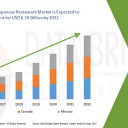
During the forecast period of 2025 to 2032 the market is likely to grow at a CAGR of 3.28%, primarily driven by the increase in popularity of the dish sushi.
The North America Japanese Restaurant Market has evolved from a niche ethnic dining segment into a mainstream and dynamic part of the regional foodservice industry. Japanese cuisine, once primarily associated with sushi bars in metropolitan areas, has expanded into a diverse range of formats including ramen shops, teppanyaki grills, izakayas, quick-service outlets, and premium fine-dining restaurants. Driven by changing consumer preferences, rising interest in global cuisines, and a growing emphasis on healthy and high-quality food, the market continues to demonstrate steady growth across the United States and Canada.Market Overview
Japanese restaurants in North America cater to a broad consumer base, ranging from casual diners seeking affordable meals to high-income customers looking for authentic and premium culinary experiences. Sushi remains the most recognizable category, but the market has diversified significantly over the past decade. Ramen, udon, donburi, bento boxes, yakitori, and Japanese-inspired fusion dishes have gained popularity, enabling restaurants to attract repeat customers and expand their menus beyond traditional offerings.
The market structure includes independent restaurants, small regional chains, and large international brands. While independent operators dominate in terms of numbers, chain restaurants are gaining traction due to standardized quality, efficient supply chains, and strong brand recognition. Urban centers such as New York, Los Angeles, Toronto, Vancouver, Chicago, and San Francisco remain key hubs for Japanese dining, though suburban and secondary cities are increasingly adopting Japanese restaurant concepts.
Uncover strategic insights and future opportunities in the North America Japanese Restaurant Market . Access the complete report:
https://www.databridgemarketresearch.com/reports/north-america-japanese-restaurant-market
Key Growth Drivers
One of the primary drivers of the North America Japanese Restaurant Market is the growing consumer demand for international and experiential dining. Diners are increasingly interested in exploring authentic global flavors, cooking techniques, and cultural dining experiences. Japanese cuisine, known for its balance, presentation, and emphasis on fresh ingredients, aligns well with this trend.
Health consciousness is another major growth factor. Japanese food is widely perceived as nutritious, offering options that are low in fat, rich in protein, and prepared with minimal processing. Sushi, sashimi, seaweed-based dishes, miso soup, and grilled fish appeal strongly to consumers seeking healthier alternatives to traditional fast food and heavy Western cuisines.
The rising popularity of Asian pop culture, including Japanese media, travel, and lifestyle influences, has also contributed to market expansion. Increased exposure through social media, food-focused digital platforms, and travel experiences has heightened awareness and appreciation of Japanese culinary traditions. As a result, younger demographics, particularly millennials and Generation Z, are actively seeking out Japanese restaurants as part of their dining routines.
Consumer Preferences and Dining Trends
Consumer preferences in the North America Japanese Restaurant Market are evolving rapidly. Authenticity remains a key consideration, with many customers valuing traditional preparation methods, genuine ingredients, and skilled chefs. Restaurants that highlight Japanese culinary heritage, such as hand-rolled sushi, house-made noodles, and traditional broths, often gain a competitive edge.
At the same time, fusion and innovation play an important role. Japanese-inspired dishes combined with local flavors, vegetarian and vegan sushi options, and creative menu presentations have broadened the appeal of Japanese restaurants. Plant-based alternatives, gluten-free offerings, and customizable meals are increasingly common as restaurants adapt to dietary preferences and lifestyle choices.
Another notable trend is the growth of fast-casual Japanese dining. Quick-service sushi, ramen bowls, and bento concepts cater to busy urban consumers who prioritize convenience without compromising on quality. Digital ordering, takeout, and delivery services have become essential components of business strategies, helping restaurants expand their reach beyond dine-in customers.
Competitive Landscape
The North America Japanese Restaurant Market is highly competitive, characterized by a mix of established brands and emerging players. Large chains benefit from economies of scale, consistent branding, and the ability to invest in marketing and technology. Independent restaurants, on the other hand, often compete by offering niche menus, regional Japanese specialties, and personalized dining experiences.
Competition is particularly intense in major metropolitan areas, where market saturation is higher. In response, many operators focus on differentiation through ambiance, chef-driven menus, seasonal offerings, and premium ingredients. Customer loyalty programs, social media engagement, and strong online reviews have also become crucial for maintaining visibility and attracting new diners.
Challenges and Constraints
Despite positive growth prospects, the market faces several challenges. High operating costs, including rent, labor, and ingredient sourcing, can impact profitability, especially for independent restaurants. Authentic Japanese ingredients such as premium seafood, specialty rice, and imported seasonings can be expensive and subject to supply chain fluctuations.
Labor shortages in the foodservice industry pose another constraint. Skilled sushi chefs and trained kitchen staff are essential for maintaining quality and authenticity, but recruitment and retention remain ongoing concerns. Additionally, regulatory requirements related to food safety, seafood handling, and labor compliance add complexity to operations.
Consumer expectations are also rising, making consistency and quality control critical. With increased competition, even minor lapses in service or food quality can affect reputation and customer retention.
Regional Insights
The United States represents the largest share of the North America Japanese Restaurant Market, driven by a large population, diverse culinary landscape, and high disposable incomes in urban areas. Coastal cities, in particular, benefit from access to fresh seafood and a long-standing appreciation for Japanese cuisine.
Canada is also experiencing steady growth, supported by multicultural demographics and a strong dining-out culture. Cities such as Toronto and Vancouver have well-established Japanese restaurant scenes, with increasing demand for both traditional and modern concepts.
Future Outlook
The future of the North America Japanese Restaurant Market appears promising, with continued expansion expected across both urban and suburban regions. Innovation in menu offerings, increased focus on sustainability, and integration of digital technologies are likely to shape market development. Restaurants that emphasize responsibly sourced seafood, eco-friendly packaging, and transparent supply chains may gain favor among environmentally conscious consumers.
Experiential dining, including omakase-style meals, chef’s tables, and interactive teppanyaki experiences, is expected to grow, particularly in the premium segment. Meanwhile, the fast-casual and delivery-focused formats will continue to expand, catering to changing lifestyles and consumption patterns.
In conclusion, the North America Japanese Restaurant Market stands as a vibrant and evolving segment of the foodservice industry. Supported by strong consumer interest, health-oriented dining trends, and cultural influence, the market is well-positioned for sustained growth. Businesses that successfully balance authenticity, innovation, and operational efficiency are likely to thrive in this competitive yet opportunity-rich landscape.
Browse More Reports:
Global Water Treatment Chemicals Market
Global Scented Candle Market
Global Ceramics Market
Europe Japanese Restaurant Market
Global Smart Fleet Management Market
Global Tuna Market
Global Tote Bags Market
Global Gemstones Market
Global Japanese Restaurant Market
Global Hypochlorous Acid Market
Global Toothbrush Market
Global Cataracts Market
Global Wire and Cable Market
Global Plant-Based Food Market
Global Tomatoes Market
About Data Bridge Market Research:
An absolute way to forecast what the future holds is to comprehend the trend today!
Data Bridge Market Research set forth itself as an unconventional and neoteric market research and consulting firm with an unparalleled level of resilience and integrated approaches. We are determined to unearth the best market opportunities and foster efficient information for your business to thrive in the market. Data Bridge endeavors to provide appropriate solutions to the complex business challenges and initiates an effortless decision-making process. Data Bridge is an aftermath of sheer wisdom and experience which was formulated and framed in the year 2015 in Pune.
Contact Us:
Data Bridge Market Research
US: +1 614 591 3140
UK: +44 845 154 9652
APAC : +653 1251 975
Email:- [javascript protected email address]
Neuste Artikel
- Europe Hazelnut Market Size, Share, Trends, Key Drivers, Demand and Opportunity Analysis (
 Kajal)
 - Europe Smart Home Market Size, Share, Trends, Key Drivers, Demand and Opportunity Analysis ( Kajal)
- Health Screening Market Size, Share, Trends, Key Drivers, Demand and Opportunity Analysis ( Kajal)
- Neurological Disorder Drugs Market Size, Share, Trends, Key Drivers, Demand and Opportunity Analysis ( Kajal)
- Air Purifiers Market Size, Share, Trends, Key Drivers, Demand and Opportunity Analysis ( Kajal)
- Europe Home Healthcare Market Size, Share, Trends, Key Drivers, Demand and Opportunity Analysis ( Kajal)
Die neuesten Forenbeiträge
- https://ia600902.us.archive.org/16/items/support-line_20260322_0800/refundpolicy17.pdf (
 dfghfhffgh)
 - https://ia600902.us.archive.org/16/items/support-line_20260322_0800/refundpolicy17.pdf ( fgfghjghkjk)
- https://ia600902.us.archive.org/16/items/support-line_20260322_0800/refundpolicy17.pdf ( fghfghjfhgjgh)
- https://ia600902.us.archive.org/16/items/support-line_20260322_0800/refundpolicy17.pdf (
 DSFSDFD)
 - https://ia600902.us.archive.org/16/items/support-line_20260322_0800/refundpolicy17.pdf ( fghjghj)
- https://ia600902.us.archive.org/16/items/support-line_20260322_0800/refundpolicy17.pdf ( rai)
Werbung