



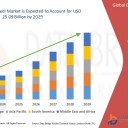
The electrical steel market plays a crucial role in modern industrial and energy systems. Often referred to as silicon steel or lamination steel, electrical steel is a specialized type of steel engineered to possess specific magnetic properties. These properties make it essential for applications where efficient energy conversion, transmission, and distribution are required. As global demand for electricity rises and industries move toward electrification and sustainability, the importance of electrical steel continues to grow.
Understanding Electrical Steel
Electrical steel is primarily used in the cores of electrical equipment such as transformers, electric motors, generators, and inductors. Its key characteristics include high magnetic permeability, low core loss, and minimal hysteresis loss. These features help reduce energy losses during magnetic cycling, improving the efficiency of electrical devices.
Electrical steel is broadly categorized into two main types: grain-oriented electrical steel (GOES) and non-grain-oriented electrical steel (NGOES). Grain-oriented steel is designed to have superior magnetic properties in one direction, making it ideal for transformers. Non-grain-oriented steel, on the other hand, has uniform magnetic properties in all directions and is commonly used in rotating machinery such as motors and generators.
Market Drivers
One of the primary drivers of the electrical steel market is the rapid expansion of power generation and distribution infrastructure. Growing urbanization, industrialization, and population growth are increasing electricity consumption worldwide. To meet this demand, governments and utilities are investing heavily in transformers, substations, and power grids, all of which rely heavily on electrical steel.
The rise of renewable energy is another significant growth factor. Wind turbines, hydroelectric generators, and solar power systems use electrical steel in generators and transformers to improve efficiency and reduce energy losses. As countries commit to reducing carbon emissions and transitioning to cleaner energy sources, the demand for high-quality electrical steel continues to rise.
Electric vehicles (EVs) have also become a major catalyst for market expansion. Electric motors used in EVs require non-grain-oriented electrical steel with excellent magnetic performance. With automotive manufacturers accelerating EV production and governments offering incentives for electric mobility, the electrical steel market is experiencing strong momentum.
Technological Advancements
Continuous advancements in steel processing and manufacturing technologies are shaping the electrical steel market. Manufacturers are focusing on developing thinner steel laminations with lower core losses and higher magnetic flux density. These innovations help improve energy efficiency while reducing the size and weight of electrical components.
Advanced coating technologies are also gaining attention. Insulating coatings applied to electrical steel sheets reduce eddy current losses and enhance durability. Improved coatings contribute to better performance in high-frequency and high-temperature applications, expanding the scope of electrical steel usage.
Automation and digitalization in steel production are further improving quality consistency and yield. Smart manufacturing practices enable precise control over chemical composition, grain structure, and thickness, resulting in superior electrical steel grades tailored for specific applications.
Applications Across Industries
The electrical steel market serves a wide range of industries. The power sector remains the largest consumer, using electrical steel extensively in transformers and generators. Efficient transformers are critical for minimizing transmission losses and ensuring reliable power supply across long distances.
In the automotive industry, electrical steel is essential for manufacturing motors used in electric and hybrid vehicles. As vehicle electrification increases, demand for high-performance non-grain-oriented electrical steel is expected to grow rapidly.
Industrial machinery is another important application area. Motors used in manufacturing equipment, pumps, compressors, and elevators rely on electrical steel to deliver efficient and stable performance. Consumer appliances such as refrigerators, air conditioners, and washing machines also use electrical steel in their motor components.
Regional Market Dynamics
Asia-Pacific dominates the global electrical steel market, driven by rapid industrial growth, large-scale power infrastructure projects, and strong manufacturing capabilities. Countries such as China, India, and Japan are major producers and consumers of electrical steel. Rising investments in renewable energy and electric mobility in this region further support market growth.
North America and Europe also represent significant markets due to their focus on energy efficiency, grid modernization, and electric vehicle adoption. Stringent energy efficiency regulations in these regions encourage the use of high-grade electrical steel to reduce power losses.
Emerging economies in Latin America, the Middle East, and Africa are gradually increasing their demand for electrical steel as they expand electricity access and industrial capacity. Infrastructure development and urban growth in these regions present long-term opportunities for market players.
Competitive Landscape
The electrical steel market is moderately consolidated, with several global and regional manufacturers competing on quality, innovation, and production capacity. Leading players invest heavily in research and development to create advanced steel grades that meet evolving industry requirements.
Strategic partnerships, capacity expansions, and mergers are common as companies aim to strengthen their market presence and secure raw material supply. Sustainability initiatives are also becoming a key competitive factor, with manufacturers focusing on reducing carbon emissions and improving energy efficiency in steel production.
Challenges and Constraints
Despite its growth potential, the electrical steel market faces several challenges. Fluctuations in raw material prices, particularly iron ore and alloying elements, can impact production costs and profit margins. The manufacturing process of electrical steel is complex and capital-intensive, requiring advanced technology and strict quality control.
Another challenge is the limited availability of high-grade grain-oriented electrical steel. Producing ultra-low-loss grades requires specialized expertise and equipment, which can limit supply and create pricing pressure.
Environmental concerns related to steel production, such as carbon emissions and energy consumption, also pose challenges. Manufacturers are under increasing pressure to adopt cleaner technologies and comply with environmental regulations.
Future Outlook
The future of the electrical steel market appears highly promising. Global electrification trends, combined with the transition to renewable energy and electric mobility, are expected to drive sustained demand. Innovations aimed at reducing core losses and improving magnetic performance will continue to shape product development.
Smart grids, energy storage systems, and advanced electric motors are likely to create new growth avenues. As efficiency standards become stricter, the role of electrical steel in reducing energy wastage will become even more critical.
Neuste Artikel
- AI Voice Commerce Market Demand, Trade Dynamics, and Forecast Trends (2026–2033) (
 kaumu11)
 - Heart Pump Device Market Analysis Report 2026–2033: Key Opportunities and Future Insights ( kaumu11)
- Radiation Effects Testing Market Evolution 2026–2033: Transforming Technology and User Experience ( kaumu11)
- Polypropylene(PP)(CAS 9003-07-0) Market Growth Trends and Emerging Opportunities (2026–2033) ( kaumu11)
- Heat pump Market Outlook 2026–2033: Business Strategies, Growth Drivers Forecasts ( kaumu11)
- Electric Submersible Pump & Artificial lift Systems Market Demand, Trade Dynamics, and Forecast Trends (2026–2033) ( kaumu11)
Die neuesten Forenbeiträge
- fgfhghj (
 liroliro)
 - fxgfh (
 ENGLISH)
 - dsfdsf ( yiluyilu)
- https://leetcode.com/discuss/post/7992759/how-do-i-contact-edreams-uk-by-phone-com-chjw/ ( liroliro)
- https://leetcode.com/discuss/post/7992759/how-do-i-contact-edreams-uk-by-phone-com-chjw/ ( ENGLISH)
- https://leetcode.com/discuss/post/7992749/can-i-get-a-refund-for-edreams-prime-com-0078/ ( liroliro)
Werbung